
 +31 85 483 31 03
Home
KneeReviver
For Healthcare Professionals
For Patients
Find a hospital
About us
Contact


≡

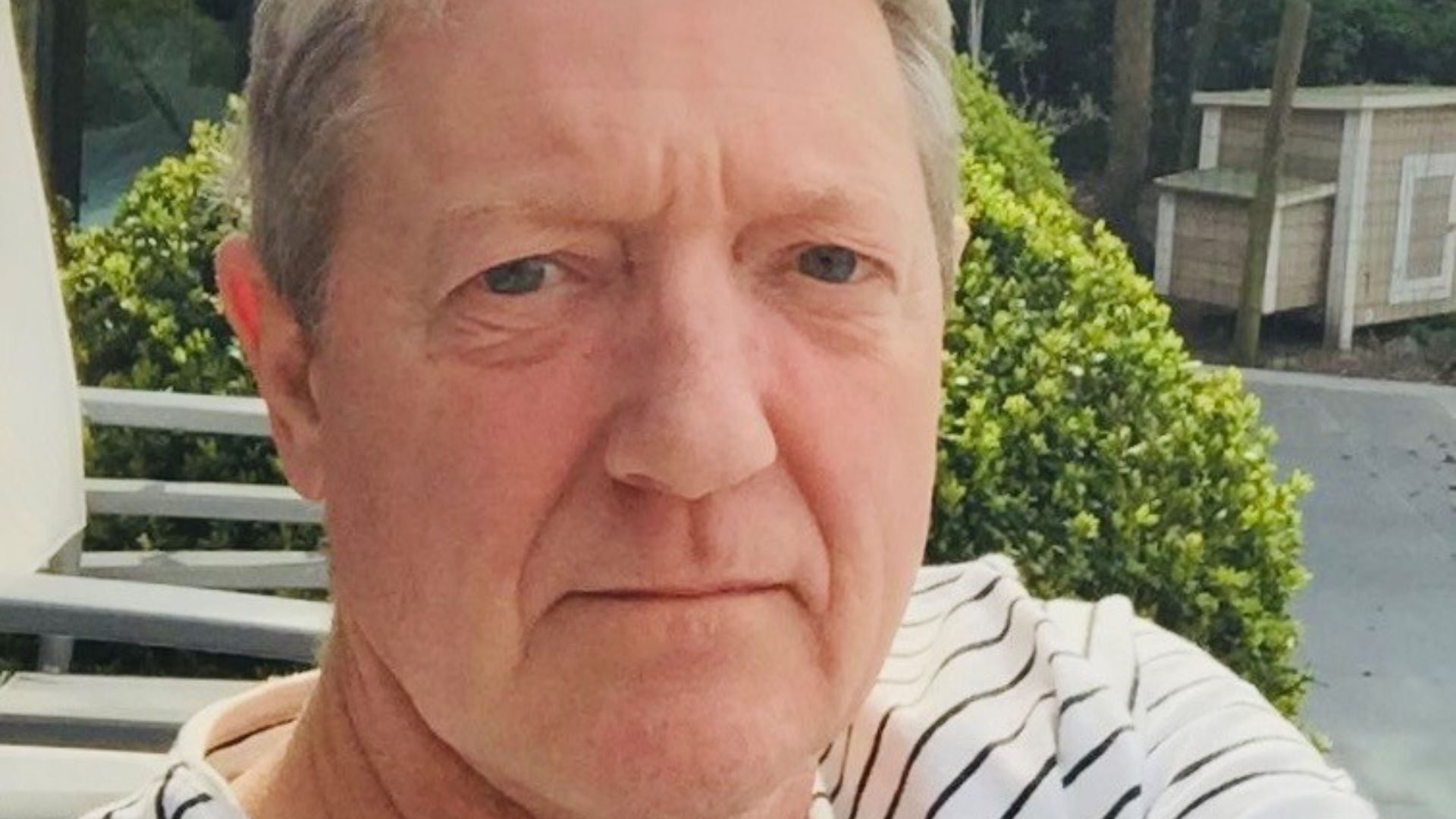
“After a while I was able to resume my work as an independent physiotherapist and six months after the rehabilitation, I was able to walk 10 kilometers again, climb stairs, cycle, etc.”
I have always been very active, playing football, volleyball, badminton, squash, tennis, and windsurfing.
My knee problems began quite suddenly after an intense day of gardening. At first, I suspected a torn meniscus, but examinations revealed advanced osteoarthritis on the inner side of my knee. At 59 years old, I was considered too young for a knee replacement and was advised to undergo an osteotomy to correct the alignment of my leg.
As a physiotherapist, I was not enthusiastic about undergoing such a major procedure.
At a symposium, I heard Prof. Dr. Heusdens speak about knee joint distraction, a treatment performed in younger patients (under 60) and already carried out for 10 years at UMC Utrecht.
I attended a patient information evening in Utrecht and carefully studied the medical literature. After discussions with Prof. Heusdens, I became convinced that knee distraction was the best option for me.
Immediately after surgery, walking with the external frame was painful. However, movement gradually became easier. I chose to focus on a slow, careful, and thorough recovery process.
Over time, I was able to return to my work as an independent physiotherapist. Six months after rehabilitation, I could again walk 10 kilometers, climb stairs, and cycle. Imaging showed that a layer of cartilage had regenerated in my knee.
I decided to stop playing tennis, but I regained a high level of daily function. Now, five years later, I remain very satisfied with the results of the knee distraction. I still have my own knee and hope I will never need a prosthesis.
You might also be interested in:

After severe knee decline, KJD in 2022 restored mobility, enabled a 90km walk, and delayed knee replacement while improving quality of life.

Hussein’s severe knee pain forced him to abandon his career dreams and daily activities, but after knee joint distraction, he reclaimed a pain-free life, returning to cycling, stairs, and a future without physical limitations.

Facing a total knee replacement at just 30 years old, Inka chose joint distraction to save her knee; now pain-free, she has returned to her demanding job as a nurse and her passion for firefighter competitions.